Foods To Eat For Heavy Periods
Introduction
Many women experience heavy periods at some point in their lives. This can be a challenging and uncomfortable time, often accompanied by pain and fatigue. While there are various treatments and medications available to help manage heavy periods, one approach that can be effective is incorporating certain foods into your diet.
Foods That Can Help
1. Leafy Greens
Eating leafy greens such as spinach, kale, and Swiss chard can be beneficial for heavy periods. These greens are rich in iron, which is essential for maintaining healthy blood flow and preventing anemia.
2. Fatty Fish
Fatty fish like salmon, sardines, and mackerel are high in omega-3 fatty acids. These fatty acids have anti-inflammatory properties that can help reduce pain and inflammation associated with heavy periods.
3. Nuts and Seeds
Nuts and seeds, such as almonds, walnuts, flaxseeds, and chia seeds, are rich in essential nutrients like magnesium and omega-3 fatty acids. These nutrients can help regulate hormone levels and reduce menstrual pain.
4. Legumes
Legumes, including chickpeas, lentils, and black beans, are packed with iron, magnesium, and fiber. Incorporating legumes into your diet can help promote healthy blood flow and reduce heavy bleeding during periods.
5. Turmeric
Turmeric contains a compound called curcumin, which has powerful anti-inflammatory properties. Adding turmeric to your diet can help alleviate pain and reduce inflammation associated with heavy periods.
6. Berries
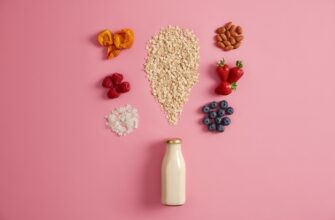
Berries, such as strawberries, blueberries, and raspberries, are rich in antioxidants. These antioxidants help reduce inflammation and provide relief from menstrual pain.
7. Ginger
Ginger has been used for centuries to alleviate various ailments, including menstrual pain. Its anti-inflammatory and pain-reducing properties make it an excellent addition to your diet during heavy periods.
8. Dark Chocolate
Dark chocolate is not only a delicious treat but also a source of magnesium and antioxidants. These nutrients can help relax muscles and reduce pain associated with heavy periods.
9. Citrus Fruits
Oranges, lemons, and grapefruits are citrus fruits that are rich in vitamin C. This vitamin can help promote iron absorption and support overall menstrual health.
10. Water
Staying hydrated is essential during heavy periods. Drinking enough water can help prevent bloating and reduce water retention, leading to a decrease in overall discomfort.
Frequently Asked Questions
1. Can diet alone cure heavy periods?
No, diet alone cannot cure heavy periods. However, incorporating certain foods into your diet can help manage symptoms and reduce discomfort.
2. How long should I continue eating these foods?
It is recommended to incorporate these foods into your diet consistently for at least a few months to see noticeable improvements in your menstrual health.
3. Are there any foods I should avoid?
While there are no specific foods that you need to avoid, it is generally recommended to limit your intake of processed foods, caffeine, and alcohol, as they can exacerbate menstrual symptoms.
4. Can these foods also help with period cramps?
Yes, many of the foods mentioned, such as ginger, turmeric, and fatty fish, have anti-inflammatory properties that can help alleviate period cramps.
5. Can supplements be used instead of incorporating these foods?
Supplements can be used as a complement to a healthy diet, but it is always best to obtain nutrients from whole foods whenever possible.
6. How soon can I expect to see results?
The time it takes to see results can vary from person to person. It is important to give your body time to adjust and make dietary changes consistently for optimal results.
7. Can these foods help regulate irregular periods?
While these foods can help promote overall menstrual health, it is recommended to consult with a healthcare provider if you are experiencing consistently irregular periods.
8. Are there any side effects to eating these foods?
These foods are generally safe to consume and do not have significant side effects. However, it is important to listen to your body and make sure you are not allergic or intolerant to any of these foods.
9. Can these foods be eaten in any specific combination?
There are no specific combinations that need to be followed, but a balanced and varied diet incorporating these foods can provide the best overall nutrition for managing heavy periods.
10. Can these foods replace medical treatments for heavy periods?
No, these foods should be used as a complementary approach alongside any medical treatments recommended by your healthcare provider.
Conclusion
Incorporating certain foods into your diet can help manage and alleviate symptoms of heavy periods. Leafy greens, fatty fish, nuts and seeds, legumes, turmeric, berries, ginger, dark chocolate, citrus fruits, and water are all excellent additions to support menstrual health. Remember, a balanced and varied diet, along with medical advice, is essential for managing heavy periods. Listen to your body and make choices that feel right for you.